


K-Beauty Weekly: Vegan PDRN, All-Season SPF & New Shelves

If you remember one number from Korean beauty this week, make it this one.
Korea's cosmetics exports rose 46.1% year on year in the first ten days of September — and shipments to the US hit a record for that stretch of the calendar. Here's the part buyers should underline: the jump came from volume, not price. Average export value held flat at $33.9/kg.
More boxes are moving. Whoever booked capacity early is the one filling them.
The week in four numbers
+414% — TikTok interest in vegan PDRN, year on year
+706% — searches for tranexamic acid cream, year on year
6.6x → 1.6x — sunscreen's monthly sales swing, 2021 to 2026
500+ — US Sephora doors now carrying Olive Young's K-beauty edit

Four things moved this week. Three of them are ingredients.
1. PDRN grew a vegan wing
PDRN — polydeoxyribonucleotide — has been K-beauty's most-Googled mouthful for two years. Korea Herald confirms it's still moving product on Seoul's retail floors this month.
The new part is what's underneath the label. Salmon-derived PDRN now has a plant and ferment-derived cousin, and it's climbing fast: BeautyMatter clocks vegan PDRN up 414.3% on TikTok year on year, averaging 1.1 million weekly views. Banana-derived versions add another 28,300. INMI Seoul's rice-derived PhytoPDRN carries vegan certification from The Vegan Society and the Korea Agency of Vegan Certification and Services.
A vegan-certified version of a marine-derived active opens doors that the original can't — vegan sets, halal-adjacent markets, and any buyer whose clean-list blocks fish-derived ingredients.
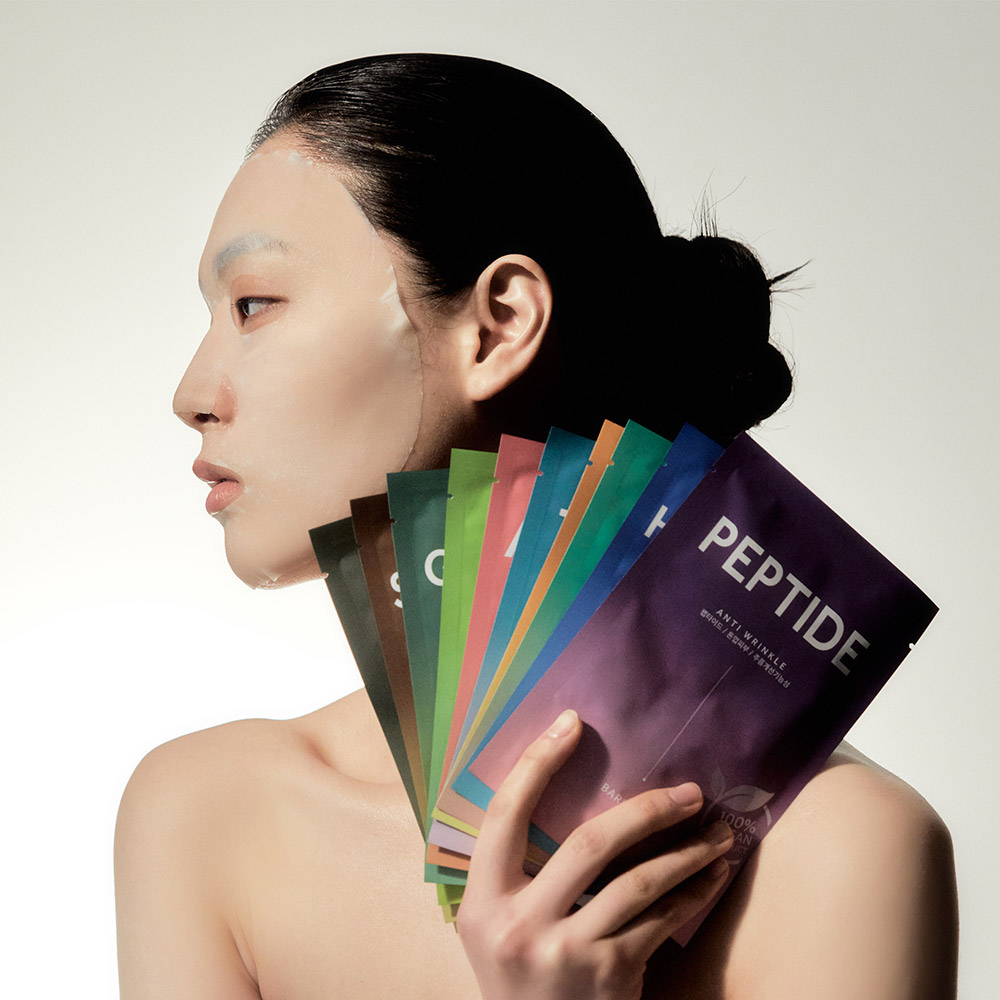
Vegan certification is becoming a listing requirement, not a bonus.
2. Tone correction, minus the sting
The brightening aisle is where the quiet money is: actives that promise an even-looking tone without an exfoliating burn.
Spate data via Happi: tranexamic acid cream is up 705.7% year on year, retinal serum up 182.4% — and retinal is accelerating 336.4% on Instagram specifically. Weekly TikTok views run around 687,200 for tranexamic acid and 438,200 for retinal.
Both are still in what Spate calls a low-popularity phase. Awareness lives on social and hasn't landed in mass retail yet.
That gap is the opportunity. A 700% curve off a small base is a window, not a peak.
A note on wording: these are cosmetics marketed for the appearance of dark spots and uneven tone. Keep your own listing claims in that lane.
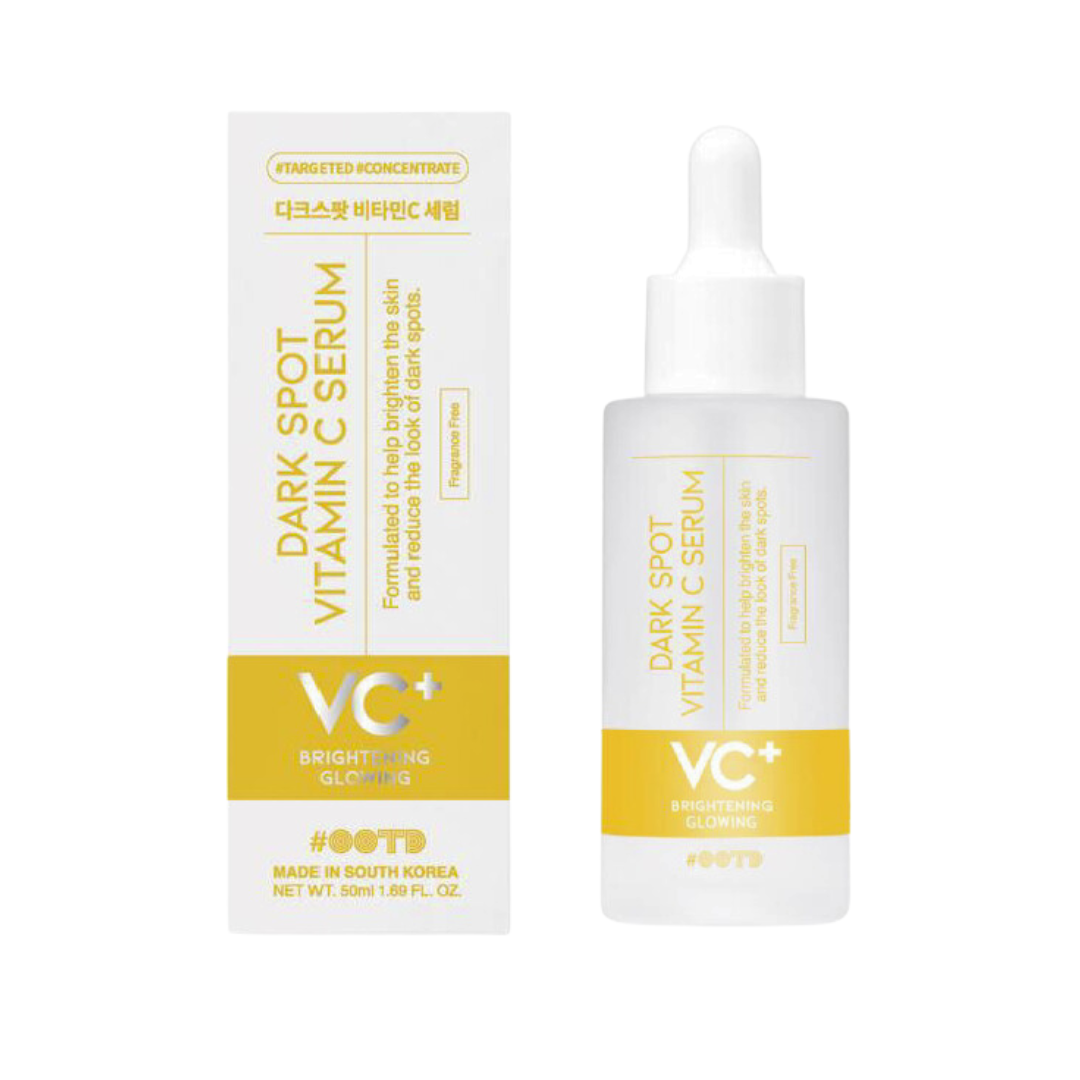
Tone-correction serums are the fastest-moving shelf in the category.
3. Sunscreen stopped being a summer category
This one is structural, and it should change how you write purchase orders.
Korean SPF is now a four-season basic. Seoul Economic Daily reports the category's monthly revenue swing has narrowed from 6.6x in 2021 to just 1.6x in 2026. The off-season has essentially disappeared: Cosmax produced 86.22 million units in July, its highest month of the year, and July exports hit $1.097 billion — the first time July has topped Korea's annual monthly rankings, after ranking 11th as recently as 2023.
Two forces behind it: Korean shoppers now buy by skin concern rather than season, and export markets on opposite hemispheres flatten the curve by definition.
If SPF is still a spring line-review item on your calendar, you are structurally late.
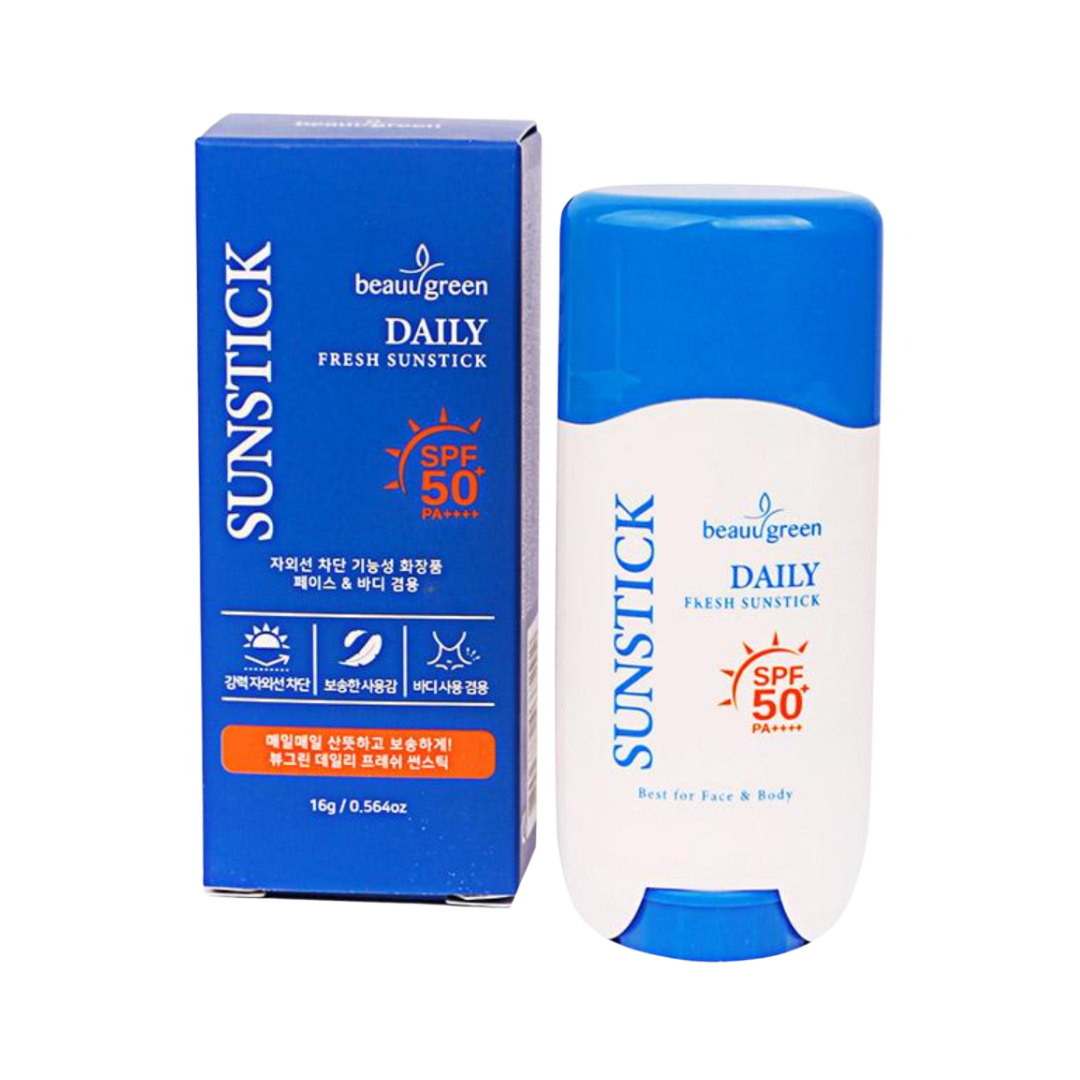
Stick formats behave like replenishment SKUs, not seasonal buys.
4. The shelf war: Musinsa, Daiso and Sephora, all at once
Distribution is where the week got loud.
In Seoul, Musinsa opened a four-storey beauty store in Hongdae carrying roughly 600 brands — with a pharmacy in the basement staffed by multilingual pharmacists, aimed at international visitors. Its beauty zone sales rose 20% from April to August; online beauty brand sales rose 35% in three weeks.
At the other end, Daiso opened a beauty-led store where nothing costs more than 5,000 won (about $3.70). Its beauty category grew 30% year on year through August.
And abroad, the big one landed last month: Sephora's Olive Young–curated edit went live in 500+ US stores on August 20 with 19 Korean brands, including a dedicated space at the Times Square flagship. Hong Kong, Singapore, Malaysia and Thailand follow this year; the Middle East, UK and Australia in 2027.
The pattern: K-beauty is splitting into two price poles — sub-$4 impulse and curated mid-tier. The muddy middle is getting squeezed out.
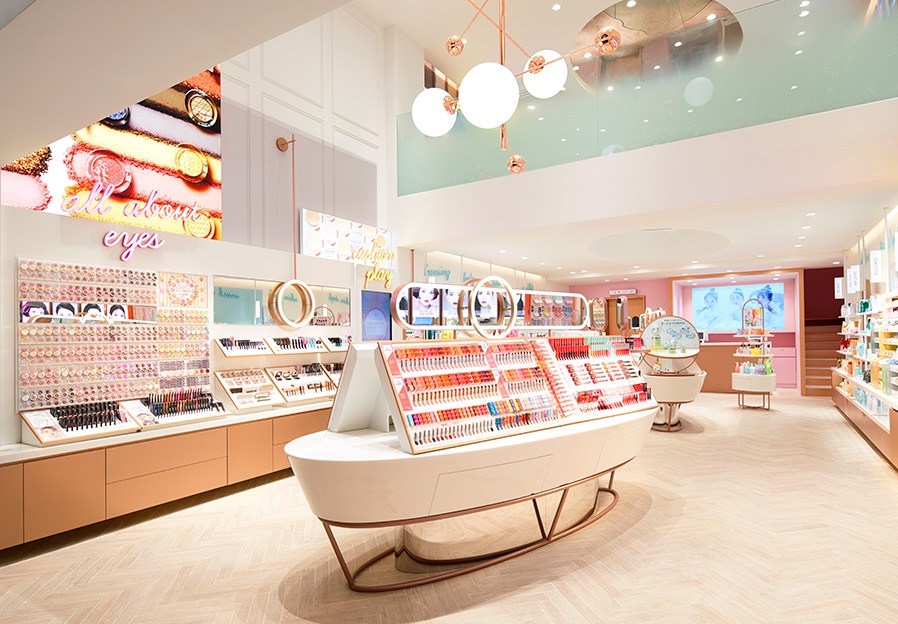
Two poles, one squeezed middle. Plan your assortment accordingly.
Five things to do about it
1. Book supply early. Growth is volume-led and factories are running without an off-season.
2. Build a two-pole assortment. Sub-$4 impulse up front, mid-tier serums for margin.
3. Treat your claims file as the asset. Certification and claim language decide what can actually list.
4. Move SPF off the seasonal calendar. Forecast it year-round.
5. Buy the early curve. Tranexamic acid, retinal and vegan PDRN are all pre-mass-awareness.
Where KOREA TRADE fits
BARULAB covers the clean/vegan and actives side. THE CLEAN VEGAN MASK runs ten variants — Vitamin C, Cica, AHA/BHA, Green Tea, Hyaluron and more — so a vegan-set brief is one negotiation, not ten. Add the 530 S-Peptide Ampoule Plus for the actives tier and the Green Tea Hydro Calming Sun Cream for all-season SPF.
Beauugreen is the format specialist. The Daily Fresh Sun Stick is the replenishment-style SPF; the hydrogel range — Microhole Eye Patch Gold, Premium Hydrogel Eye Patches, Anti-oxidant Glutathione Hydrogel Mask — sits in the impulse pole Daiso is proving out.
#OOTD carries the tone-correction shelf, led by the Dark Spot Vitamin C Serum. For the true impulse price point, Beauty153's Diamond Hand Mask and Diamond Foot Mask land under $1.
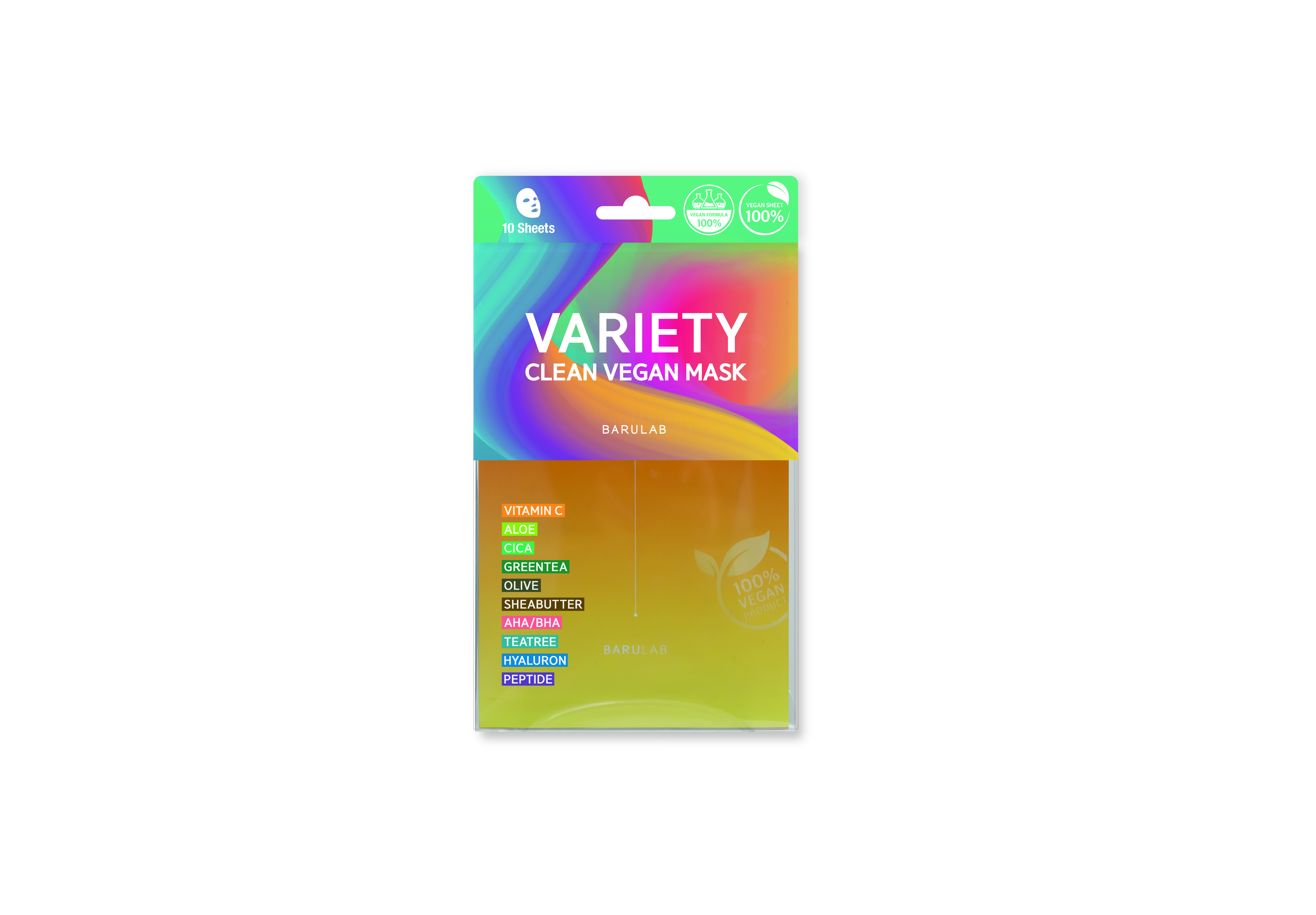
BARULAB's ten-variant vegan mask range — one brief, one negotiation.
We supply 25+ Korean brands across skincare, masks, oral care and body care, including our own label YOOKIYA.
Talk to us
Working on a line review, a private-label brief, or a first Korean order? Send the category and target price point — we'll come back with what's actually available.
Email: kortrade365@gmail.com
Web: www.koreatrade.biz


